 |
| "Across Lava Rock" Virginia Range Mare and Foal Original Watercolor 5 by 7 inches by LindaLMartin Artist $90.00 |
Showing posts with label Nevada wild Horses. Show all posts
Showing posts with label Nevada wild Horses. Show all posts
Thursday, July 25, 2013
Mare and Foal of Virginia Range Nevada Challenge Painting #431

Wednesday, April 17, 2013
Dickie,Virginia Range Wild Band Stallion Part 2 Challenge Painting #402
Part 2 of Dickie's Story:
After the drunk driving incident, in which three of Dickie’s band were killed on Highway 50, The Department of Agriculture stepped in. The idea was to prevent road deaths before a person was killed. For the first mare in Dickie’s Band and two others, it was too little too late.
Wild horse photographer, Mikel Ann Hettrick tells the story this way:
“A drunk driver killed his first mare her foal and another mare, because they were grazing alongside highway 50. Next thing, the Dept. of Ag. trapped the remaining band and put them up for adoption. Lacy J Dalton's Let ‘em Run foundation purchased the 8 horses. With the permission of a private land owner, of over a hundred thousand acres, and about 400 other wild horses, Dickie and his band were were released to freedom again. “According to Mikel Ann they were released on privately owned land.
“Jim Barbee, director of the Nevada Dept. of Ag. approved the gelding of him the day before the sale. “
“The next tragic event was when he was stolen from the range. He was missing for a period of six months and was found to have been released on the out skirts of Reno. Dickie would never have left his band, nor could he have traveled to that specific area unless he was moved by someone. “ according to Mikel Ann.
 “ Time is giving all the leads as who took him. Again the the Dept. of Ag. trapped him, even though they were sent an e-mail stating we were aware of his whereabouts and were going to bring him in and place him in a private setting. How I wish I had put that rope around his neck. About a month after his capture he was released.” This time Mikel Ann brought him home and he lives safely with her now.
I asked Mikel Ann how they knew that someone had taken Dickie off the range.
“Dickie was definitely stolen. We are trying to prove it. A wild horse does not go missing for six months and come back knowing how to do things a trained domestic horse does. The tell-tale signs of him being captured were I haltered right off and as I ran my hand down his legs he raised each foot. He will ground tie and the second day he stood there for over an hour while I detangled his mane and tale. “
“The third day after having him at my house, he trotted on cue to both voice and cluck. He also went right into a canter the same. What was astounding was when at the lounge he would come to a sliding stop when I said whoa. He never had a bit in his mouth, as I am working on that. He also knew how to flex his neck. The strange thing was he had no whiskers on his lower lip, like someone clipped them. He now has whiskers under his chin. He does not mind when I lay my body over his back, I have never straddled his back, but sat sideways on his back. The only mystery left is where his older mare is.”

The events with Dickie, in the opinion of this blogger, were caused by feeding a wild horse so that it became tame enough to loose fear of people. After seeing video tapes of The capture of the Pine Nut Mountain HMA wild horses being lead into a trap simply by shaking a bucket, I understand how easy it would have been to approach Dickie and any of his band out on the open range, even on private property and simply sake a bucket and capture him. This irresponsible behavior not only endangered people driving along roads where wild horses congregate but it endangered Dickie and his band. The side effect was that it also makes it possible to illegally steal wild horses right from the range. This is why it is against the law to feed wild horses.
Currently in Nevada a group of Citizens are working with the Nevada State Legislature to tighten Astray laws that forbid the feeding, trapping, impeding or harassment of free roaming wild horses on state land in Nevada by private citizens. In the initial language any of these things could become a class one misdemeanor which includes a hefty fine and jail time for each incident.
 |
| "Dickie" As A Band Stallion 5 by 7 inches watercolor by Linda L Martin Artist $65.00 |
Wild horse photographer, Mikel Ann Hettrick tells the story this way:
“A drunk driver killed his first mare her foal and another mare, because they were grazing alongside highway 50. Next thing, the Dept. of Ag. trapped the remaining band and put them up for adoption. Lacy J Dalton's Let ‘em Run foundation purchased the 8 horses. With the permission of a private land owner, of over a hundred thousand acres, and about 400 other wild horses, Dickie and his band were were released to freedom again. “According to Mikel Ann they were released on privately owned land.
“Jim Barbee, director of the Nevada Dept. of Ag. approved the gelding of him the day before the sale. “
“The next tragic event was when he was stolen from the range. He was missing for a period of six months and was found to have been released on the out skirts of Reno. Dickie would never have left his band, nor could he have traveled to that specific area unless he was moved by someone. “ according to Mikel Ann.

I asked Mikel Ann how they knew that someone had taken Dickie off the range.
“Dickie was definitely stolen. We are trying to prove it. A wild horse does not go missing for six months and come back knowing how to do things a trained domestic horse does. The tell-tale signs of him being captured were I haltered right off and as I ran my hand down his legs he raised each foot. He will ground tie and the second day he stood there for over an hour while I detangled his mane and tale. “
“The third day after having him at my house, he trotted on cue to both voice and cluck. He also went right into a canter the same. What was astounding was when at the lounge he would come to a sliding stop when I said whoa. He never had a bit in his mouth, as I am working on that. He also knew how to flex his neck. The strange thing was he had no whiskers on his lower lip, like someone clipped them. He now has whiskers under his chin. He does not mind when I lay my body over his back, I have never straddled his back, but sat sideways on his back. The only mystery left is where his older mare is.”
The events with Dickie, in the opinion of this blogger, were caused by feeding a wild horse so that it became tame enough to loose fear of people. After seeing video tapes of The capture of the Pine Nut Mountain HMA wild horses being lead into a trap simply by shaking a bucket, I understand how easy it would have been to approach Dickie and any of his band out on the open range, even on private property and simply sake a bucket and capture him. This irresponsible behavior not only endangered people driving along roads where wild horses congregate but it endangered Dickie and his band. The side effect was that it also makes it possible to illegally steal wild horses right from the range. This is why it is against the law to feed wild horses.
Currently in Nevada a group of Citizens are working with the Nevada State Legislature to tighten Astray laws that forbid the feeding, trapping, impeding or harassment of free roaming wild horses on state land in Nevada by private citizens. In the initial language any of these things could become a class one misdemeanor which includes a hefty fine and jail time for each incident.
Tuesday, April 16, 2013
Dickie,Virginia Range Wild Band Stallion Challenge Painting #401
Dickie, Wild Stallion of the Virginia Range: "When Civilization Directly affects Wild Horses."
Dickie is alive and well, however, he has quite a story. This is a story that plays it’s self out every day every time wild horses come into contact with humans near subdivisions and towns. You see whenever development is put in the place that cuts across the historic trails to water or pasture, wild horses will come into contact with humans.
This isn’t unique to wild horses, these sort of conflicts arrive anytime any wild life comes into contact with humans and learns, through no fault of their own, that humans are a source of food.
Here in Virginia we have the same problem with black bears, deer, raccoons and skunks. However, the danger is, as with the wild horses of the Virginia Range, that untamed, un-handled animals are not only dangerous to humans, who mistake them for tame, but the animals are in danger of abuse or injury because they have a false sense of security near the food source.
Generally, when a wild horse, or any wild animal, becomes what is known as a nuisance animal, It is captured and released in an area far away from human interaction . Generally, if there is plenty of food and water in the new location the horse will stay put. In the 300,000 plus acres of the Virginia Range there are still plenty of locations to remove horses too. However, sometimes if there is a food shortage or even an overpopulation of stallions seeking mares, a stallion might migrate back to his old range with his mares seeking relief from hunger and constant defense of his harem.
In the case of Dickie's Band, part of the year , like many of the Virginia Range Horses, they come down from the mountains in search of food and water. Because of development around his home range near route 50, Dickie and his band were forced to migrate through developed areas. Had the residents of those areas not interfered and not fed the horses , the band would have simply passed through the location and returned to their mountain range.
Mikel Ann Hettrick, a long time resident and wild horse photographer, on the Virginia Range now owns Dickie. Mikel Ann tells his story:
“I was taken with him from the moment I found him up in the hills behind my house. From that time on he was mine in my heart. I have always said I wish I would have put a rope around his neck and had taken him home. I will always regret I did not do that.”
“ He stands at fourteen hands, has a stocky body with attractive pinto markings. He has a N brand on his neck, which means he was captured and relocated by the state of Nevada. That was in 08 and I followed him where ever I could find him. I was there when he got his first pinto mare and when they had their first pinto foal. Over the years his band grew to ten. What happens next goes deep into my emotions."
“The prostitutes at the Bunny Ranch brothel began feeding and watering them. This act was absolute stupidity since there are hundreds of acres of feed. And within half a mile from the brothel there is a large watering hole. The brothel only sits three tenths of a mile from highway 50. By feeding the band they never went back into the hills.”
“In between feedings, the band was often seen foraging along the side of the highway. On one occasion they crossed the highway where one of his mares was killed by an oncoming vehicle. Feeding horses in this environment makes them loose their fear of people and traffic and the brothel still continued to feed. "
“A month later a drunk driver killed Dickie’s first mare, her foal and another mare, because they were grazing alongside highway 50.”
Tomorrow: More of Mikel Ann and Dickie's Story; Complete with intrigue, rescue and a bitter sweet reunion.
 |
| "Dickie" 5 by 7 inches watercolor by Linda L Martin Artist SOLD |
This isn’t unique to wild horses, these sort of conflicts arrive anytime any wild life comes into contact with humans and learns, through no fault of their own, that humans are a source of food.
Here in Virginia we have the same problem with black bears, deer, raccoons and skunks. However, the danger is, as with the wild horses of the Virginia Range, that untamed, un-handled animals are not only dangerous to humans, who mistake them for tame, but the animals are in danger of abuse or injury because they have a false sense of security near the food source.
 |
| Part of Dickie's Harem grazing on bunch grass near the Bunny Ranch Brothel in 2011 |
In the case of Dickie's Band, part of the year , like many of the Virginia Range Horses, they come down from the mountains in search of food and water. Because of development around his home range near route 50, Dickie and his band were forced to migrate through developed areas. Had the residents of those areas not interfered and not fed the horses , the band would have simply passed through the location and returned to their mountain range.
Mikel Ann Hettrick, a long time resident and wild horse photographer, on the Virginia Range now owns Dickie. Mikel Ann tells his story:
 |
| Dickie 2011 |
“I was taken with him from the moment I found him up in the hills behind my house. From that time on he was mine in my heart. I have always said I wish I would have put a rope around his neck and had taken him home. I will always regret I did not do that.”
“ He stands at fourteen hands, has a stocky body with attractive pinto markings. He has a N brand on his neck, which means he was captured and relocated by the state of Nevada. That was in 08 and I followed him where ever I could find him. I was there when he got his first pinto mare and when they had their first pinto foal. Over the years his band grew to ten. What happens next goes deep into my emotions."
“The prostitutes at the Bunny Ranch brothel began feeding and watering them. This act was absolute stupidity since there are hundreds of acres of feed. And within half a mile from the brothel there is a large watering hole. The brothel only sits three tenths of a mile from highway 50. By feeding the band they never went back into the hills.”
 |
| Dickie and His Band grazing near the road at the Bunny Ranch in 2011 Click Image to see larger version. |
“In between feedings, the band was often seen foraging along the side of the highway. On one occasion they crossed the highway where one of his mares was killed by an oncoming vehicle. Feeding horses in this environment makes them loose their fear of people and traffic and the brothel still continued to feed. "
“A month later a drunk driver killed Dickie’s first mare, her foal and another mare, because they were grazing alongside highway 50.”
Tomorrow: More of Mikel Ann and Dickie's Story; Complete with intrigue, rescue and a bitter sweet reunion.
Monday, April 1, 2013
Virginia Range Wild Horse Pinto Foal Challenge Painting #400
Mike Holmes, Former Nevada Department of Agriculture Astray Manager, Interview Part 3 of 3
Mike Holmes, wasn’t just your average mustanger coming into the job of full time Virginia Range Estray Manager . He had experience with horses . Enough experience to know that he had to learn the difference in handling wild horses and those horses who had been domesticated from birth. His many years in the construction business and ranching also gave him the people skills to understand how to work with people.
Among his skills was a fair and honest method of understanding people and being diplomatic, as well as respectful, while clearly stating his case to make the point. He didn’t just go out and “manage” wild horses he also tried to learn from those who knew about them.
When asked who probably influenced him the most as he developed his management style, this is what Mike told me: “ Dawn Lappin , she was the person I went to when I needed to know something about wild horses. She knew and worked with Velma Johnston.” According to Mike, Dawn understood wild horses almost better than anyone he had met. She had also worked with Mrs. Johnston to help get the pass the laws protecting the Virginia Range horses on both a state and federal level.

“Those were the precise horses that were left out of the Wild Horse and Burro Act. Dawn fought alongside Velma to get them protected. No one ever worked to treat those horses well before Velma came along. “ Mike said.
Velma Johnston of course is also known as Wild Horse Annie. “There was just something wrong that the Federal Government managed to protect so many wild horses but the Virginia Range was left out.”
Dawn Lappin was also the person that knew enough about wild horses to help with orphan or injured foals. “ I always brought the foals to her when we found one orphaned. She would nurse them until they were old enough, then we would adopt them out. “According to Mike, Dawn also took orphans and injured foals from Nevada BLM Sources. Mike also cooperated with the BLM on a lot of the management issues. “ It was good to work with everyone and share resources. It was better for the horses that way.”
Dawn Lappin’s program is WHOA or Wild Horse Organized Assistance . You can read about the work of that organization here: http://www.mustangsofamericafoundation.org/index.html
“I worked with several different legitimate non-profits who helped us place and train the horses that we had to take from the range.” Mike added.
Jill Star and Life Savers helped with a lot of adoptions and placement in sanctuary. Their web page address is http://wildhorserescue.org/about/history-of-lifesavers/
And LRTC or Least Resistance Training at http://www.whmentors.org/ Helped with the saddle training program and adoption auction held each year to help offset costs of the management and help place some better started animals in home for easier adoption.
“We had a yearlong waiting period for adopters .“ Mike said, “ I would sign the title over to the non-profit that helped adopt them and they would release the horses’ titles once it was proven that the adopter had the horse for a year and the horse was being taken care of. The non-profit organization would decide if it was a good fit and mentor the new adopters if need be.
Unfortunately, the program that Mike Holmes started in managing the Wild horses of the Virginia Range was de-funded in 2009. As a result Mike lost his job as Virginia Range Estray Manager. Although he doesn’t work in Nevada any longer, he is still a wild horse manager on a private ranch.
“There is a lot of difference between wild horses and domestics” Mike stated. “ You have to move slowly and steady around them. You can’t rush in and run at them like you do with a domestic. They will go straight over or through a fence if you do. They think you are chasing them to eat them. A wild horse will not follow a domestic horse in, you have to gently push them forward from behind. This is the way you can move them from place to place safely.”
“We have 2000 acres here and run about 134 wild horses.” According to Mike, some of the horses were nuisance horses from the Virginia Range. Others were some that had over run a ranch and were too old to adopt out.
I asked Mike what advice he would give to anyone who wanted to become a Wild Horse Estray Manager. He answered: “ They need to keep in mind that they are a public servant. They are holding these horses in trust for the people. If they can work with everyone they will be successful. The main thing is to do the right thing by the horses.”
A special thank you to Mike Holmes for taking the time to speak with me and share his incites about wild horse management on the Virginia Range in Nevada.
Thank you to Mikel Hettrick for the reference photography.
 |
| "Virginia Range Foal" 5 by 7 mixed media by Linda L Martin Artist Original $65.00 |
Mike Holmes, wasn’t just your average mustanger coming into the job of full time Virginia Range Estray Manager . He had experience with horses . Enough experience to know that he had to learn the difference in handling wild horses and those horses who had been domesticated from birth. His many years in the construction business and ranching also gave him the people skills to understand how to work with people.
Among his skills was a fair and honest method of understanding people and being diplomatic, as well as respectful, while clearly stating his case to make the point. He didn’t just go out and “manage” wild horses he also tried to learn from those who knew about them.
When asked who probably influenced him the most as he developed his management style, this is what Mike told me: “ Dawn Lappin , she was the person I went to when I needed to know something about wild horses. She knew and worked with Velma Johnston.” According to Mike, Dawn understood wild horses almost better than anyone he had met. She had also worked with Mrs. Johnston to help get the pass the laws protecting the Virginia Range horses on both a state and federal level.

“Those were the precise horses that were left out of the Wild Horse and Burro Act. Dawn fought alongside Velma to get them protected. No one ever worked to treat those horses well before Velma came along. “ Mike said.
Velma Johnston of course is also known as Wild Horse Annie. “There was just something wrong that the Federal Government managed to protect so many wild horses but the Virginia Range was left out.”
Dawn Lappin was also the person that knew enough about wild horses to help with orphan or injured foals. “ I always brought the foals to her when we found one orphaned. She would nurse them until they were old enough, then we would adopt them out. “According to Mike, Dawn also took orphans and injured foals from Nevada BLM Sources. Mike also cooperated with the BLM on a lot of the management issues. “ It was good to work with everyone and share resources. It was better for the horses that way.”
Dawn Lappin’s program is WHOA or Wild Horse Organized Assistance . You can read about the work of that organization here: http://www.mustangsofamericafoundation.org/index.html
“I worked with several different legitimate non-profits who helped us place and train the horses that we had to take from the range.” Mike added.
Jill Star and Life Savers helped with a lot of adoptions and placement in sanctuary. Their web page address is http://wildhorserescue.org/about/history-of-lifesavers/
And LRTC or Least Resistance Training at http://www.whmentors.org/ Helped with the saddle training program and adoption auction held each year to help offset costs of the management and help place some better started animals in home for easier adoption.
“We had a yearlong waiting period for adopters .“ Mike said, “ I would sign the title over to the non-profit that helped adopt them and they would release the horses’ titles once it was proven that the adopter had the horse for a year and the horse was being taken care of. The non-profit organization would decide if it was a good fit and mentor the new adopters if need be.
Unfortunately, the program that Mike Holmes started in managing the Wild horses of the Virginia Range was de-funded in 2009. As a result Mike lost his job as Virginia Range Estray Manager. Although he doesn’t work in Nevada any longer, he is still a wild horse manager on a private ranch.
“There is a lot of difference between wild horses and domestics” Mike stated. “ You have to move slowly and steady around them. You can’t rush in and run at them like you do with a domestic. They will go straight over or through a fence if you do. They think you are chasing them to eat them. A wild horse will not follow a domestic horse in, you have to gently push them forward from behind. This is the way you can move them from place to place safely.”
“We have 2000 acres here and run about 134 wild horses.” According to Mike, some of the horses were nuisance horses from the Virginia Range. Others were some that had over run a ranch and were too old to adopt out.
I asked Mike what advice he would give to anyone who wanted to become a Wild Horse Estray Manager. He answered: “ They need to keep in mind that they are a public servant. They are holding these horses in trust for the people. If they can work with everyone they will be successful. The main thing is to do the right thing by the horses.”
A special thank you to Mike Holmes for taking the time to speak with me and share his incites about wild horse management on the Virginia Range in Nevada.
Thank you to Mikel Hettrick for the reference photography.
Friday, March 29, 2013
Virginia Range Wild Horse Challenge Painting #399
Mike Holmes, Former Nevada Department of Agriculture Astray Manager, Interview Part 2 of 3
One of the Questions I asked Mike Holmes, was, 'Why do you think your approach to wild horse management was so successful?"
“ I think it was because I listened to every body.” He said thoughtfully “ I was a public servant and I listened to everyone’s ideas and what they thought.” He was quick to insist that didn’t mean everyone agreed with all of his decisions or they way he handled things. That was to be expected. Mike knew how to be diplomatic and he knew how to generate working compromises. His ability to work with people and also his fair and compassionate treatment of wild horses has made him probably one of the best loved wild horse managers in Nevada.
Mike also came to the position armed with common sense and the law as well, as the ability to solve problems. While he was busy listening to people, he was also making good decisions that reflected well on his superiors and generated a lot of public support for them. His handling of the Virginia Range horses had a very positive Public Relations affect and he was always available to address groups and meet with individuals when asked.
“ When schools or organizations invited me to come and speak about what I did and the Virginia Range Horses, I always tried to make myself available.” Mike told me.

Mike’s job consisted of a number of management tasks. He was charged with maintaining the herd numbers so they didn’t grow to be too many to sustain on the available habitat. The state managed well over 300,000 acres for wild horses and under Mike the numbers stayed between 1200 and 1500 head of horses. This was unlike the BLM managed Pine Nut Mountain HMA which can only sustain 110 to 175 horses on about 90,000 acres. Mike was also empowered to remove nuisance horses and issue citations for people who insisted on feeding or harassing the horses.
“ Mostly what I tried to do was educate people, “ Mike said when talking of visiting people who had been sighted feeding wild horses. He explain to them how what they were doing was harmful to the horses and would prevent them from going off and finding food as they should in the wild. Then he told offenders that if he issued them a warning citation and they continued feeding the horses and someone was injured or killed because of what they had done, then because he had warned them, he would testify if they were charged, that they had been warned. “ I usually didn’t have to warn people twice” Mike insisted. He made them aware that the civil suits would probably be worse than the fines, if they continued feeding wild horses and someone was hurt or killed.
When horses would continue hanging around people’s homes, the public roads or other industrial areas where they or people could be hurt, Mike would trap the horses and release them in another part of the range far from towns and populated areas. If he had to remove the same horse or band 3 or 4 times then Mike would call one of several non-profit groups that work with wild horses and place the horse with them. The non-profits would then seek either sanctuary for them or to place them in adoptive homes.

“I would usually have to remove between 100 and 150 wild horses a year”Mike explained “ That kept the numbers steady. That was about the size of one year’s foal crop.” Mike told me that most of the removals were with traps or on horseback, however ,Mike did several round ups using contractor helicopters. "When we did those sort of removals we knew exactly how many horses we expected to remove from the range and we had per-arranged with one( or more) of the approved legitimate non-profits to take the horses in advance.”
According to Mike Holmes he always tried to do right by the horses first and foremost. “ The horses in our care were always taken care of. I can go on record that no horse ever went to a stock sale under my watch, not even the few domestic horses that we had to bring in occasionally.”
Also under his watch was the first PZP round up for Birth Control of Virginia Range Wild Horses. “ The contractor rounded up as many horses as they could in 2 or 3 days. We gave about 150 mares a dose of PZP. That kept the numbers from going up for a few years.”
Also under Mike Holmes’ watch was a special "Saddle Horse Program" in which non-profits were chosen for their horse training programs. Selected wild horses were accepted for training and then auctioned off much like the BLM auctions, with the Non-profit holding the title until the new owner had the horse for at least one year under approved supervision. “This protected buyers from taking the horses and turning around then selling them at auction for slaughter. “ He said.
Mike tried to use the best most successful and most humane management practices available and made himself available to help educate and solve problems.
Tomorrow : Groups Mike Holmes worked with and people that influenced and aided him in the good management of the Virginia Range Horses.
Special Thank-you to Mikel Ann Hettrick for the reference photography for today's painting.
Blogger's Note: A lot of people have misgivings when talking about rounding up wild horses and removing them from the range. Some people think that good range management should not include removing horses. However, if wild horses were not protected and removed they would soon over populate and that would lead to starvation and suffering , the like of which many advocates have neither seen nor experienced.
All forms of wild life in the United States have some sort of "culling" procedure and also a relocation plan for nuisance animals. One of the many things that impresses me about what Mike Holmes did was that instead of stock piling the wild horses that were removed from the range in hopes that people would come forward to adopt or provide sanctuary for them, he made sure that there was a place for each horse to go before it ever was taken from the range.
Placing horses to be removed before removal required working together with a number of people and organizations that didn't always agree on every aspect of range management. That he was able to do this, in my opinion, is part of Mike Holmes' success as a wild horse manager.
 |
| "Running Through Lava Rocks" 5 by 7 inches Watercolor LindaLMartin Artist Original $65.00 11 by 8.5 inches In house Signed Prints: $35.00 To check availability email: info@llmartin.com |
One of the Questions I asked Mike Holmes, was, 'Why do you think your approach to wild horse management was so successful?"
“ I think it was because I listened to every body.” He said thoughtfully “ I was a public servant and I listened to everyone’s ideas and what they thought.” He was quick to insist that didn’t mean everyone agreed with all of his decisions or they way he handled things. That was to be expected. Mike knew how to be diplomatic and he knew how to generate working compromises. His ability to work with people and also his fair and compassionate treatment of wild horses has made him probably one of the best loved wild horse managers in Nevada.
Mike also came to the position armed with common sense and the law as well, as the ability to solve problems. While he was busy listening to people, he was also making good decisions that reflected well on his superiors and generated a lot of public support for them. His handling of the Virginia Range horses had a very positive Public Relations affect and he was always available to address groups and meet with individuals when asked.
“ When schools or organizations invited me to come and speak about what I did and the Virginia Range Horses, I always tried to make myself available.” Mike told me.

Mike’s job consisted of a number of management tasks. He was charged with maintaining the herd numbers so they didn’t grow to be too many to sustain on the available habitat. The state managed well over 300,000 acres for wild horses and under Mike the numbers stayed between 1200 and 1500 head of horses. This was unlike the BLM managed Pine Nut Mountain HMA which can only sustain 110 to 175 horses on about 90,000 acres. Mike was also empowered to remove nuisance horses and issue citations for people who insisted on feeding or harassing the horses.
“ Mostly what I tried to do was educate people, “ Mike said when talking of visiting people who had been sighted feeding wild horses. He explain to them how what they were doing was harmful to the horses and would prevent them from going off and finding food as they should in the wild. Then he told offenders that if he issued them a warning citation and they continued feeding the horses and someone was injured or killed because of what they had done, then because he had warned them, he would testify if they were charged, that they had been warned. “ I usually didn’t have to warn people twice” Mike insisted. He made them aware that the civil suits would probably be worse than the fines, if they continued feeding wild horses and someone was hurt or killed.
When horses would continue hanging around people’s homes, the public roads or other industrial areas where they or people could be hurt, Mike would trap the horses and release them in another part of the range far from towns and populated areas. If he had to remove the same horse or band 3 or 4 times then Mike would call one of several non-profit groups that work with wild horses and place the horse with them. The non-profits would then seek either sanctuary for them or to place them in adoptive homes.

“I would usually have to remove between 100 and 150 wild horses a year”Mike explained “ That kept the numbers steady. That was about the size of one year’s foal crop.” Mike told me that most of the removals were with traps or on horseback, however ,Mike did several round ups using contractor helicopters. "When we did those sort of removals we knew exactly how many horses we expected to remove from the range and we had per-arranged with one( or more) of the approved legitimate non-profits to take the horses in advance.”
According to Mike Holmes he always tried to do right by the horses first and foremost. “ The horses in our care were always taken care of. I can go on record that no horse ever went to a stock sale under my watch, not even the few domestic horses that we had to bring in occasionally.”
Also under his watch was the first PZP round up for Birth Control of Virginia Range Wild Horses. “ The contractor rounded up as many horses as they could in 2 or 3 days. We gave about 150 mares a dose of PZP. That kept the numbers from going up for a few years.”
Also under Mike Holmes’ watch was a special "Saddle Horse Program" in which non-profits were chosen for their horse training programs. Selected wild horses were accepted for training and then auctioned off much like the BLM auctions, with the Non-profit holding the title until the new owner had the horse for at least one year under approved supervision. “This protected buyers from taking the horses and turning around then selling them at auction for slaughter. “ He said.
Mike tried to use the best most successful and most humane management practices available and made himself available to help educate and solve problems.
Tomorrow : Groups Mike Holmes worked with and people that influenced and aided him in the good management of the Virginia Range Horses.
Special Thank-you to Mikel Ann Hettrick for the reference photography for today's painting.
Blogger's Note: A lot of people have misgivings when talking about rounding up wild horses and removing them from the range. Some people think that good range management should not include removing horses. However, if wild horses were not protected and removed they would soon over populate and that would lead to starvation and suffering , the like of which many advocates have neither seen nor experienced.
All forms of wild life in the United States have some sort of "culling" procedure and also a relocation plan for nuisance animals. One of the many things that impresses me about what Mike Holmes did was that instead of stock piling the wild horses that were removed from the range in hopes that people would come forward to adopt or provide sanctuary for them, he made sure that there was a place for each horse to go before it ever was taken from the range.
Placing horses to be removed before removal required working together with a number of people and organizations that didn't always agree on every aspect of range management. That he was able to do this, in my opinion, is part of Mike Holmes' success as a wild horse manager.
Wednesday, March 27, 2013
Virginia Range Wild Mares Challenge Painting #397
Part 5: Figuring Out Who Would Protect the Wild Horses of the Virginia Range in Nevada
At the time the Wild Horse and Burro Act one estimate said that fewer than 17,000 wild horses lived on public federal lands across the entire west. One estimate put the number as low as 12,000. Due to lack of grazing and frequent drought conditions most range specialists and biologists agreed at the that the total number of horses that could be sustained on all Wild Horse Herd Areas was a maximum of 27,000 total for all range areas in the west.
These numbers were based on what the land could sustain in an average rain year. Had there been plans in place managing wild horses, which was a totally new science at the time, those numbers probably would not have gone over 25,000 at any given year. And under drought conditions, die offs would have lowered the numbers substantially. Instead the number of wild horses not only exploded but, the horses, due to lack of forage and water, as well as territorial issues when new bands were created, began to expand into areas that prior to 1971 had no wild horses.

The arduous task of figuring out which horses were owned by whom and what their legal status was became that action that took precedence to any hard core management plans. In fact, on some Herd Management Area plans are still evolving and changing even after 42 years of learning how to manage wild horses.
After a number of court rulings, several decisions were made to establish the ownership and control of wild horses. By 1976 property owners were requesting that wild horses be removed from their property by the BLM. These horses were considered by the BLM to be estray, or formally domestic horses, that had gone feral and were not among the original wild horses protected by the act. In fact, it was geography and time period that determined which horses were wild and which were not. If title could be proven in ownership, private citizens were responsible. If in the wrong place at the time of the Wild Horse and Burro Act they were estray.
The first group of Pine Nut Mountain HMA wild horses had migrated down to High Way 50 by 1978 and were causing problems on private land and road hazards. Due to fencing and natural obstacles the BLM took responsibility for those horses and removed any horse that became a problem in that area that bordered the Herd Area and has done so since.

Another document stated that both the BLM and The Nevada Department of Agriculture recognized the ownership of wild "feral" horses by private land owners . Private land owners had to make a determination. If they did not want the horses removed by the BLM on their property the horses, no matter what the origins, were theirs and they must control both the populations and the migration. Some property owners did round up and sell off wild horses others did not. Wild horses were being rounded up by privately hired helicopter contractors on private land well into the 1990s, until pressure was brought to bear by private groups living in the areas of the Virginia Highlands.
Yet still, wild horses were running freely throughout the state controlled region and private citizens had stopped claiming ownership. In 1982 the Nevada Department of Agriculture took responsibility for the horses and solidified their legal rights to do so.
The feeling was that the Department of Agriculture, the citizens of Nevada and the local government and land owners didn’t want to remove the horses totally. They wanted to preserve them to healthy levels so that they could be enjoyed by everyone safely. The determination that the Virginia Range could sustain from 100 to 150 wild horses in good health was actually determined sometime in 1995.
What was needed was a good plan to keep the animals healthy, control the populations and to make sure the animals were protected. The Department of Agriculture created a position: Virginia Range Astray Manager. Governor Bob Miller of Nevada from 1989 to 1999 appointed Mike Holmes, to that position.

Tomorrow: Mike Holmes and what he accomplished for the Virginia Range Horses.
Special thanks to Mikel Hettrick for the use of her photography.
Sources for some of the information in this section are from different wild horse advocacy groups, public information, The State of Nevada and interviews provided from advocates of the Virginia Range horses who wish to remain anonymous.
 |
| Virginia Range Wild Mares 5 by 7 inches Drawing on #110 Paper by Linda L Martin Original $65.00 11 by 8.5 inches Signed Prints $35.00 plus S&H info@llmartin.com for availability |
These numbers were based on what the land could sustain in an average rain year. Had there been plans in place managing wild horses, which was a totally new science at the time, those numbers probably would not have gone over 25,000 at any given year. And under drought conditions, die offs would have lowered the numbers substantially. Instead the number of wild horses not only exploded but, the horses, due to lack of forage and water, as well as territorial issues when new bands were created, began to expand into areas that prior to 1971 had no wild horses.
The arduous task of figuring out which horses were owned by whom and what their legal status was became that action that took precedence to any hard core management plans. In fact, on some Herd Management Area plans are still evolving and changing even after 42 years of learning how to manage wild horses.
After a number of court rulings, several decisions were made to establish the ownership and control of wild horses. By 1976 property owners were requesting that wild horses be removed from their property by the BLM. These horses were considered by the BLM to be estray, or formally domestic horses, that had gone feral and were not among the original wild horses protected by the act. In fact, it was geography and time period that determined which horses were wild and which were not. If title could be proven in ownership, private citizens were responsible. If in the wrong place at the time of the Wild Horse and Burro Act they were estray.
The first group of Pine Nut Mountain HMA wild horses had migrated down to High Way 50 by 1978 and were causing problems on private land and road hazards. Due to fencing and natural obstacles the BLM took responsibility for those horses and removed any horse that became a problem in that area that bordered the Herd Area and has done so since.

Another document stated that both the BLM and The Nevada Department of Agriculture recognized the ownership of wild "feral" horses by private land owners . Private land owners had to make a determination. If they did not want the horses removed by the BLM on their property the horses, no matter what the origins, were theirs and they must control both the populations and the migration. Some property owners did round up and sell off wild horses others did not. Wild horses were being rounded up by privately hired helicopter contractors on private land well into the 1990s, until pressure was brought to bear by private groups living in the areas of the Virginia Highlands.
Yet still, wild horses were running freely throughout the state controlled region and private citizens had stopped claiming ownership. In 1982 the Nevada Department of Agriculture took responsibility for the horses and solidified their legal rights to do so.
The feeling was that the Department of Agriculture, the citizens of Nevada and the local government and land owners didn’t want to remove the horses totally. They wanted to preserve them to healthy levels so that they could be enjoyed by everyone safely. The determination that the Virginia Range could sustain from 100 to 150 wild horses in good health was actually determined sometime in 1995.
What was needed was a good plan to keep the animals healthy, control the populations and to make sure the animals were protected. The Department of Agriculture created a position: Virginia Range Astray Manager. Governor Bob Miller of Nevada from 1989 to 1999 appointed Mike Holmes, to that position.

Tomorrow: Mike Holmes and what he accomplished for the Virginia Range Horses.
Special thanks to Mikel Hettrick for the use of her photography.
Sources for some of the information in this section are from different wild horse advocacy groups, public information, The State of Nevada and interviews provided from advocates of the Virginia Range horses who wish to remain anonymous.
Thursday, March 21, 2013
Happy Mustang! Reno Seaman HMA Challenge Painting #395
 |
| "Reno" Seaman Herd HMANevada 5 by 7 inches Watercolor by Linda L Martin Artist Private Collection |
Saturday, March 16, 2013
Virginia Range Foal Challenge Painting #394
Part 3: Virginia Range After 1971 ( Who Owns the Horses and Where?)
When Congress unanimously declared America's wild free-roaming horses and burros to be Living Symbols of the Historic and Pioneering Spirit of the West in 1971 Everyone who loved horses and history through out the USA seemed to breath a sigh of relief.
The very thing that pulled at the heart strings of the American public regarding Wild Horses was the idea and romance of these beautiful creatures running free on the range. This is a symbol of our freedom and a historic documentation of where our peoples came from. However, most American’s love their wild horses from a distance. The romance is far from the reality, as life often is.
The very first thing the New Wild Horse and Burro program had to do was figure out who owned what horses. On the Virginia Range in Nevada it was a complicated process. I think the Alliance of Wild Horse Advocates sums it up best in their Introduction to the Document on the "Virginia Range Horses and the History" of their management.
“There are two distinctly separate BLM Herd Use Area s (HUA) areas located near the large block of private lands currently holding estray horses managed by the State of Nevada. They are known as the Jumbo and Horse Springs HUAs.

The Jumbo HUA is located west and south of the aforementioned private lands, and the Horse Springs HUA is located to the east. Following extensive planning and public input all horses were captured from both areas and both were declared horse free following completion of the removals. BLM received only positive responses to its capture plans with no one objecting to either the removals or the horse free designations.
The rationale behind each removal was somewhat different but both were backed by not only the law and regulation but extensive case law as well.
No federally protected horses occurred within the Jumbo HUA at the time the Act was passed in 1971. The law specifically restricts (BLM's) management to those areas where horses occurred in 1971 thus Jumbo was eliminated from consideration for long-term management. The horses remaining within theJumbo HUA had relocated there from the Pine Nut HMA after passage of the Act and as a result were removed in late 1984, and the area was declared horse free.
The land use patterns within the Horse Springs HUA are heavily skewed toward private holdings with 15,000 acres of BLM lands as compared with 37,000 acres of private lands. Written requests from the private landowners, and several traffic accidents involving wild horses, necessitated the removal of all of the horses from the HUA. Again, extensive public input and planning were completed prior to the removal of the horses with no entity opposing BLM's proposed removal.

All horses were removed in 1983 and the area was declared horse free. At the time of the removals a Mr. Woodrow Cox ran horses on the adjoining Curtis Wright lands leased by Nick Mansfield. The horses now present are believed to be descendants of these horses. Prior to the State of Nevada assuming management of these horses, several large removals were conducted by Nick Mansfield that held their numbers in check. At that time the State of Nevada recognized Mr. Mansfield as the owner of these horses. A lack of any substantial removal effort since has resulted in the numbers now present.
Over the years the BLM has worked extensively with the all divisions of the State of Nevada concerning the remaining horses located on the private lands and have on numerous occasions reaffirmed our position( the AOWHA) that all remaining horses are not under the protection of the BLM”

Keep in mind that from the time the first census of wild horses was taken in 1971-1973 no one was legally removing wild unbranded horses from the range. As the wild horses produced more and more offspring the bands began to spread out. The nature of wild horses is that each band stallion has a territory. The territories do over lap . However if all the space is taken by existing band stallions then when a young stallion gets his first mares he has to establish his own territory. As stated before wild horses go where they need to.
Add to this the fact that any wild horses who ranged on privately owned lands were not protected by the Wild Horse and Burro Act in 1971. When their herds began to re-populate out of control with nothing to keep the numbers in check they began to fill up and overlap into Nevada Department of Agriculture managed land because there was nowhere else for them to go. It wasnt long before the Virginia Range was again covered with wild horses, a lot of them from private sources This population explosion created the beginning of a crisis for both the wild horses and the ecosystems on the range.
Monday Part 4: More complications for Virginia Range Horses
A special thank you to Mikel Ann Hettrick for the use of her photography.
To read more about the History of the Virginia Range management you can read the white paper put together by the AOWHA: http://www.aowha.org/documents/virginia_range_horses_history.pdf
When Congress unanimously declared America's wild free-roaming horses and burros to be Living Symbols of the Historic and Pioneering Spirit of the West in 1971 Everyone who loved horses and history through out the USA seemed to breath a sigh of relief.
 |
| "Woolly Bear" Virginia Range Foal in the Snow 5.5 by 8.5 inches Graphite on #110 Paper by Linda L Martin Original $75.00 Signed Prints $35.00 info@llmartin.com for information on purchases |
The very thing that pulled at the heart strings of the American public regarding Wild Horses was the idea and romance of these beautiful creatures running free on the range. This is a symbol of our freedom and a historic documentation of where our peoples came from. However, most American’s love their wild horses from a distance. The romance is far from the reality, as life often is.
The very first thing the New Wild Horse and Burro program had to do was figure out who owned what horses. On the Virginia Range in Nevada it was a complicated process. I think the Alliance of Wild Horse Advocates sums it up best in their Introduction to the Document on the "Virginia Range Horses and the History" of their management.
“There are two distinctly separate BLM Herd Use Area s (HUA) areas located near the large block of private lands currently holding estray horses managed by the State of Nevada. They are known as the Jumbo and Horse Springs HUAs.

The Jumbo HUA is located west and south of the aforementioned private lands, and the Horse Springs HUA is located to the east. Following extensive planning and public input all horses were captured from both areas and both were declared horse free following completion of the removals. BLM received only positive responses to its capture plans with no one objecting to either the removals or the horse free designations.
The rationale behind each removal was somewhat different but both were backed by not only the law and regulation but extensive case law as well.
No federally protected horses occurred within the Jumbo HUA at the time the Act was passed in 1971. The law specifically restricts (BLM's) management to those areas where horses occurred in 1971 thus Jumbo was eliminated from consideration for long-term management. The horses remaining within theJumbo HUA had relocated there from the Pine Nut HMA after passage of the Act and as a result were removed in late 1984, and the area was declared horse free.
The land use patterns within the Horse Springs HUA are heavily skewed toward private holdings with 15,000 acres of BLM lands as compared with 37,000 acres of private lands. Written requests from the private landowners, and several traffic accidents involving wild horses, necessitated the removal of all of the horses from the HUA. Again, extensive public input and planning were completed prior to the removal of the horses with no entity opposing BLM's proposed removal.

All horses were removed in 1983 and the area was declared horse free. At the time of the removals a Mr. Woodrow Cox ran horses on the adjoining Curtis Wright lands leased by Nick Mansfield. The horses now present are believed to be descendants of these horses. Prior to the State of Nevada assuming management of these horses, several large removals were conducted by Nick Mansfield that held their numbers in check. At that time the State of Nevada recognized Mr. Mansfield as the owner of these horses. A lack of any substantial removal effort since has resulted in the numbers now present.
Over the years the BLM has worked extensively with the all divisions of the State of Nevada concerning the remaining horses located on the private lands and have on numerous occasions reaffirmed our position( the AOWHA) that all remaining horses are not under the protection of the BLM”

Keep in mind that from the time the first census of wild horses was taken in 1971-1973 no one was legally removing wild unbranded horses from the range. As the wild horses produced more and more offspring the bands began to spread out. The nature of wild horses is that each band stallion has a territory. The territories do over lap . However if all the space is taken by existing band stallions then when a young stallion gets his first mares he has to establish his own territory. As stated before wild horses go where they need to.
Add to this the fact that any wild horses who ranged on privately owned lands were not protected by the Wild Horse and Burro Act in 1971. When their herds began to re-populate out of control with nothing to keep the numbers in check they began to fill up and overlap into Nevada Department of Agriculture managed land because there was nowhere else for them to go. It wasnt long before the Virginia Range was again covered with wild horses, a lot of them from private sources This population explosion created the beginning of a crisis for both the wild horses and the ecosystems on the range.
Monday Part 4: More complications for Virginia Range Horses
A special thank you to Mikel Ann Hettrick for the use of her photography.
To read more about the History of the Virginia Range management you can read the white paper put together by the AOWHA: http://www.aowha.org/documents/virginia_range_horses_history.pdf
Wednesday, March 13, 2013
Virginia Range Foals Challenge Painting #393
While I was researching this Background history of the Virginia Range, I was surprised to learn that the Virginia Range at this time is not under the management of the BLM Wild Horse and Burro Program. Logic would tell most of us that since it is where the first activities of Velma Johnston and her husband to advocate for mustangs started, that it should be the main and most high profile location, and possibly even a showcase for the success of the new act. It wasn't to be.
This is where the first complication to setting up the Wild Horse and Burro Act comes in.
The land was not continuous. Of course a wild horse doesn’t know this. A wild horse goes where the food and water is based on seasonal availability. Sometimes that would be on state land, sometimes federal, and sometimes on private property.
This mix of owner ship in land intertwined is called checkerboard. This checker boarded layout of land ownership created a lot of confusion in developing a management plan that would help the horses be protected and thrive. In the mid 1970s the Federal Government began to try to consolidate land through a series of trades and purchases to make the land continuous and easier to manage. I remember this was happening when I was a junior in HS. A friend’s family farm was a part of the trade for the National Park Service to secure a protected management sight and gain a smoother boarder and to allow the private land owners to have more privacy on their land.
In the meantime the fledgling Wild Horse an Burro program was having a problem figuring out how to manage. No one had any real experience in dealing with wild horses except those who had grown up in the culture of capture and release. It had never been regulated. When people needed horses they just went and rounded them up. The round ups were generally bloody to wranglers and horses, wild and domestics alike because of the rough and rocky remote terrain in most areas where wild horses were found.

Basically before the Wild Horse and Burro Act when people wanted to upgrade a herd they just released purebred stallions into the wild herds. In one part of the country a whole industry was built up using wild horses for dog food. They regularly released heavy stock and large muscled draft horses into the wild herds to improve their quality for that purpose. Even the Federal Government was known to release high quality blood stock into the local wild herds so as to develop hearty usable work horse that had strength and endurance needed for artillery and cavalry remounts.
The frequent round ups on federal land prior to the 1971 act kept populations of horses under control. According to one account prior to the law protecting wild horses on public lands The BLM had no problem with private citizens rounding up the wild horses and using them any way they wanted to. At that time wild horses had no legal standing and their was no budget to manage them on federal land. Since in most places predators to the wild horses had mostly been wiped out it was mustangers that helped keep the horses from becoming too populated.
By 1971 there was estimated between 12,000 to 17,000 wild horses left in all the Western states
When the Wild Horse and Burro Act was signed two things happened immediately. 1) it became illegal for any private citizen to capture, chase or harass any wild horse for any purpose that was housed on federal public land 2) any horse on public land that had no brand was automatically designated wild even if it was a domestic or the off spring of domestic horses.
That made for a mad scramble to get as many horses off the range as possible in some locations where for generations and decades ranchers, mustangers and settlers had been storing their ranch stock on public lands until needed. According to one book I read, published in 1979, some of the ranchers refused to go along with the law and just kept catching and releasing for years after wards because they said it was their historical right. Their reasoning was that their grandfathers and fathers did it, so those horses were theirs. This activity continued in some more remote areas of the country until law enforcement finally put a stop to it.
The first thing the new managing entity, The Bureau of Land Management, did under the newly created Wild Horse and Burro Program was to conduct a census to see where the horses were actually located and to establish herd areas for them and the boundaries that needed to be established. By 1973 the census was completed and the Herd Areas for Wild Horses were established. The problem was in 1971 there were no unbranded wild horses on the federally managed areas of the Virginia Range.
Then something happened that no one could foresee causing a wild horse crisis in the Western States.
Friday: Virginia Range After 1971
A special thank you to Mikel Ann Hettrick for the use of her photography.
If you would like to read more history about the early days of the Wild Horse and Burro Act and how it came to be, I highly recommend The Wild Horse Controversy by Heather Smith Thomas published in 1979 by A. S. Barnes and Co. Inc. It can be purchased on Amazon.com
 | |
| Virginia Range Youngsters 5.5 by 8.5 inches Graphite on #110 paper by Linda L Martin Artist Original $75.00 Signed Prints available for $35.00 each |
This is where the first complication to setting up the Wild Horse and Burro Act comes in.
The land was not continuous. Of course a wild horse doesn’t know this. A wild horse goes where the food and water is based on seasonal availability. Sometimes that would be on state land, sometimes federal, and sometimes on private property.
This mix of owner ship in land intertwined is called checkerboard. This checker boarded layout of land ownership created a lot of confusion in developing a management plan that would help the horses be protected and thrive. In the mid 1970s the Federal Government began to try to consolidate land through a series of trades and purchases to make the land continuous and easier to manage. I remember this was happening when I was a junior in HS. A friend’s family farm was a part of the trade for the National Park Service to secure a protected management sight and gain a smoother boarder and to allow the private land owners to have more privacy on their land.
In the meantime the fledgling Wild Horse an Burro program was having a problem figuring out how to manage. No one had any real experience in dealing with wild horses except those who had grown up in the culture of capture and release. It had never been regulated. When people needed horses they just went and rounded them up. The round ups were generally bloody to wranglers and horses, wild and domestics alike because of the rough and rocky remote terrain in most areas where wild horses were found.
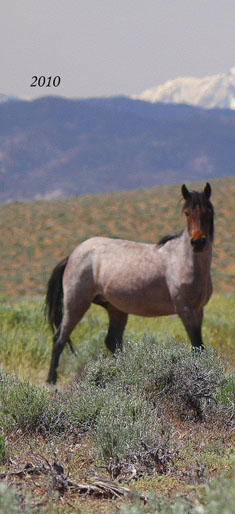
Basically before the Wild Horse and Burro Act when people wanted to upgrade a herd they just released purebred stallions into the wild herds. In one part of the country a whole industry was built up using wild horses for dog food. They regularly released heavy stock and large muscled draft horses into the wild herds to improve their quality for that purpose. Even the Federal Government was known to release high quality blood stock into the local wild herds so as to develop hearty usable work horse that had strength and endurance needed for artillery and cavalry remounts.
The frequent round ups on federal land prior to the 1971 act kept populations of horses under control. According to one account prior to the law protecting wild horses on public lands The BLM had no problem with private citizens rounding up the wild horses and using them any way they wanted to. At that time wild horses had no legal standing and their was no budget to manage them on federal land. Since in most places predators to the wild horses had mostly been wiped out it was mustangers that helped keep the horses from becoming too populated.
By 1971 there was estimated between 12,000 to 17,000 wild horses left in all the Western states
When the Wild Horse and Burro Act was signed two things happened immediately. 1) it became illegal for any private citizen to capture, chase or harass any wild horse for any purpose that was housed on federal public land 2) any horse on public land that had no brand was automatically designated wild even if it was a domestic or the off spring of domestic horses.
That made for a mad scramble to get as many horses off the range as possible in some locations where for generations and decades ranchers, mustangers and settlers had been storing their ranch stock on public lands until needed. According to one book I read, published in 1979, some of the ranchers refused to go along with the law and just kept catching and releasing for years after wards because they said it was their historical right. Their reasoning was that their grandfathers and fathers did it, so those horses were theirs. This activity continued in some more remote areas of the country until law enforcement finally put a stop to it.
The first thing the new managing entity, The Bureau of Land Management, did under the newly created Wild Horse and Burro Program was to conduct a census to see where the horses were actually located and to establish herd areas for them and the boundaries that needed to be established. By 1973 the census was completed and the Herd Areas for Wild Horses were established. The problem was in 1971 there were no unbranded wild horses on the federally managed areas of the Virginia Range.
Then something happened that no one could foresee causing a wild horse crisis in the Western States.
Friday: Virginia Range After 1971
A special thank you to Mikel Ann Hettrick for the use of her photography.
If you would like to read more history about the early days of the Wild Horse and Burro Act and how it came to be, I highly recommend The Wild Horse Controversy by Heather Smith Thomas published in 1979 by A. S. Barnes and Co. Inc. It can be purchased on Amazon.com
Monday, March 11, 2013
Deer Run Road Mares Challenge Painting #391
Thousands of Wild Horse advocates were appalled and angry over the removal of wild horses from around the Deer Run Road Subdivision outside of Carson City, Nevada this past week end. They were appalled because it was so easy to remove the horses.
I have been told by many wild horses advocates that in the wild, a wild horse does not even know what grain is. Generally, it takes weeks and even months to introduce it into their diets. According to the advocates some wild horses will never eat it. Wild horses do know what alfalfa is, and they do recognize some grass hays, however, for the most part, the diet of domestic horses is completely unknown to wild horses. In some instances a domestic horse diet is far too rich and will cause wild horses to founder or colic, both of which can lead to extremely painful lingering deaths.
So on the week-end of the Deer Run Road removals by the BLM, while all the locals to the area were deeply grieved at the loss of their favorite band of wild horses, the rest of us were becoming more and more outraged. Outraged because we know that this is what happens when wild horses are fed over time and become tame.
Here in the East coast we deal with it all the time with our wild herds. Horses so tame from feeding and luring to food, that foals sometimes end up in the back of the cars of tourists and are kidnapped from remote areas. Horses are so fearless of cars and trucks that they just walk out right into the road and impede traffic or surround vehicles begging for food or are hit, and sometimes killed, because they jump out in front of cars. Horses so unafraid of people that people are seriously injured when a wild horse kicks or bites at another horse while they are being petted.
This is so prominent on Assateague Island that the National Park Service has put out a brochure warning people to stay away from the horses and what can happen: http://www.nps.gov/asis/naturescience/upload/HorseSafetySiteBulletin-2.pdf It is out rageous that intelligent people ignor the warnings all the time.
Thankfully we have private non-profits here in the East that work with managing entities to remove the most troublesome horses and put them into sanctuaries or if they are young enough, have them trained and adopted out. What is just as appalling is that many of the people who were complaining about the removal of the Deer Run Horses were claiming to be activists, yet had no knowledge of the history of their community, its wild horses or the laws regarding the protection of the horses. Some, by their own admission, said they had really done nothing proactive to help protect those very horses and keep them running free.
There are laws put in place to assure the freedom of those horses. Unfortunately, many in the housing development ignored the law regarding horses on federal land.
Did you know that it is a federal crime to feed and pet wild horses that are managed by the Bureau of Land Management and the National Park Service? This is what the law says:
“It is illegal to feed, pet, or other-wise harass a wild horse or burro, individuals will be cited for those activities and the citations carry a minimum fine of $500.00 per incident.”
So if you have 10 or 15 federally managed horses migrating through your property to water or grazing and you start feeding them because they look skinny, You ccould be fined up to $7,500 every time you put out food for them. And if you are doing that every day twice a day for a year and so is everyone in your subdivision of 30 or 40 houses you could fund the entire Wild Horse and burro program for nearly 4 years. And that includes building permanent sanctuaries all over the country and getting them out of long term holding.
Ok, is that not enough for you financially? Every time you feed or pet a wild horse, according to wild horse behaviorists, you actually are acclimatizing it to humans. Wild Horses over time lose their fear and they grow dependent on humans for their food, shelter, and protection. However, because they are still wild they really don’t have any boundries of behavior, because they have no training or handling. They are going to look at their human providers and a source of security but they will do it from a horse to horse perspective. And they will keep coming back every time they are looking for food. Not only that they will cease the demanding activity of seeking food and water on the range and simply stay in the location because they feel secure and have an unlimited food source.
When they lose their fear of humans they also lose their fear of cars and trucks. That is when they start causing accidents. Wild horses will not stay near a road, highway or subdivision unless they are acclimatized to humans and feel safe and secure. A little fact check for you.. once those horses cross over the boundary from the HMA to private development land they technically are not protected by the Wild Horse and Burro Act.
Because they are being fed they also will not run away when someone tries to capture them.
All of the local activists and advocates surrounding the capture of the Deer Run band were very sad that the animals were being removed. But Thousands of Advocates across the US and other countries were Appalled because 1) it only took one guy to capture the entire band of wild horses and 2) all he had to do was shake a bucket and they all walked into the trap. And everyone of us who saw that news video had our hearts in our throats because we knew that if the BLM had not removed those horses ANY ONE with a truck and panels could have lured those animals into a capture pen and shipped them off to a slaughter plant and no one would have known!
Today, because it was the BLM that did the capturing, those horses are safe and secure in Temporary holding at the Carson City Prison and they are going to be put up for adoption on the 23rd of March 2013.
This not the best scenario but unfortunately it is the only option for wild horses that have been deliberatly tamed by feeding them against the law.
Anyone who wants to and cares enough about these horses to follow the BLM guidelines to keep them safe and healthy as domestics can qualify to adopt them. Keep this in mind , these horses had their freedom stolen from them, not by the BLM ,but by people who were well meaning and had no knowledge of the nature of wild horses.
There are things you can do to prevent this from ever happening again!
Things you can do to help Protect Wild Horses in Developing Areas of North America.
Please Please Please do not feed wild horses!
Please do form a non-profit around your local herd to help place troublesome or injured wild horses And to help educate local people on the history of the herd and ethical wild horse etiquette. In those times when horses might need to be adopted, help with that as well. It would be of great help to form some sort of sanctuary to put horses who like the Deer Run Band could be kept safely and stay together.
Know the history of where you live near the herd.
Know the laws protecting the horses and why they are set up that way.
Help pass state and county laws that will fine those who feed wild horses. Make residences who feed the horses illegally liable for damages caused because they have caused the horses to “take up residence”
Unify your Homeowner’s association to help keep Wild Horses in your Area Free by working to Create pass through zones for wild horses in your development and place signs and fences where needed. In a place like Nevada it is a fence out state. That means you have the right and the obligation to fence your development to protect local wild life from human intervention.
Work with Zoning entities to place mandatory Wild Horse and Wildlife zone areas into development plans to limit contact between people and wild life.
Work with the DOT and other agencies to create special wild life pass-through’s zones under or over major highways and high traffic roads. If major highways divide horses from water sources work with local governments, state and federal governments, to help them to create special wild horse oasis so the animals will not need to cross populated, industrial or high traffic roads.
Remember if you own the property you can put most of these things into place by right of ownership with out breaking the law or harassing the horses.
You Can Help Wild Horses Remain Free and Protected.
 |
| "Deer Run Road Mares"From Pine Nut Mountain HMA 5 by 7 inches Graphite on #110 Drawing Paper by Linda L Martin Artist Original$75.00 Prints $35.00 each For Information email: info@llmartin.com |
So on the week-end of the Deer Run Road removals by the BLM, while all the locals to the area were deeply grieved at the loss of their favorite band of wild horses, the rest of us were becoming more and more outraged. Outraged because we know that this is what happens when wild horses are fed over time and become tame.
Here in the East coast we deal with it all the time with our wild herds. Horses so tame from feeding and luring to food, that foals sometimes end up in the back of the cars of tourists and are kidnapped from remote areas. Horses are so fearless of cars and trucks that they just walk out right into the road and impede traffic or surround vehicles begging for food or are hit, and sometimes killed, because they jump out in front of cars. Horses so unafraid of people that people are seriously injured when a wild horse kicks or bites at another horse while they are being petted.
This is so prominent on Assateague Island that the National Park Service has put out a brochure warning people to stay away from the horses and what can happen: http://www.nps.gov/asis/naturescience/upload/HorseSafetySiteBulletin-2.pdf It is out rageous that intelligent people ignor the warnings all the time.
 |
| Three of the Deer Run Road Mares. The entire band often made trips right into the city park at Carson City in search of food, according to one local news source. |
Thankfully we have private non-profits here in the East that work with managing entities to remove the most troublesome horses and put them into sanctuaries or if they are young enough, have them trained and adopted out. What is just as appalling is that many of the people who were complaining about the removal of the Deer Run Horses were claiming to be activists, yet had no knowledge of the history of their community, its wild horses or the laws regarding the protection of the horses. Some, by their own admission, said they had really done nothing proactive to help protect those very horses and keep them running free.
There are laws put in place to assure the freedom of those horses. Unfortunately, many in the housing development ignored the law regarding horses on federal land.
Did you know that it is a federal crime to feed and pet wild horses that are managed by the Bureau of Land Management and the National Park Service? This is what the law says:
“It is illegal to feed, pet, or other-wise harass a wild horse or burro, individuals will be cited for those activities and the citations carry a minimum fine of $500.00 per incident.”
 |
| This is the band stallion. The horses are from the Pine Nut HMA that boarders a development where residents regularly fed the horses. |
So if you have 10 or 15 federally managed horses migrating through your property to water or grazing and you start feeding them because they look skinny, You ccould be fined up to $7,500 every time you put out food for them. And if you are doing that every day twice a day for a year and so is everyone in your subdivision of 30 or 40 houses you could fund the entire Wild Horse and burro program for nearly 4 years. And that includes building permanent sanctuaries all over the country and getting them out of long term holding.
Ok, is that not enough for you financially? Every time you feed or pet a wild horse, according to wild horse behaviorists, you actually are acclimatizing it to humans. Wild Horses over time lose their fear and they grow dependent on humans for their food, shelter, and protection. However, because they are still wild they really don’t have any boundries of behavior, because they have no training or handling. They are going to look at their human providers and a source of security but they will do it from a horse to horse perspective. And they will keep coming back every time they are looking for food. Not only that they will cease the demanding activity of seeking food and water on the range and simply stay in the location because they feel secure and have an unlimited food source.
When they lose their fear of humans they also lose their fear of cars and trucks. That is when they start causing accidents. Wild horses will not stay near a road, highway or subdivision unless they are acclimatized to humans and feel safe and secure. A little fact check for you.. once those horses cross over the boundary from the HMA to private development land they technically are not protected by the Wild Horse and Burro Act.
 |
| The horses were so friendly and curious that it was hard to believe they were wild. |
Because they are being fed they also will not run away when someone tries to capture them.
All of the local activists and advocates surrounding the capture of the Deer Run band were very sad that the animals were being removed. But Thousands of Advocates across the US and other countries were Appalled because 1) it only took one guy to capture the entire band of wild horses and 2) all he had to do was shake a bucket and they all walked into the trap. And everyone of us who saw that news video had our hearts in our throats because we knew that if the BLM had not removed those horses ANY ONE with a truck and panels could have lured those animals into a capture pen and shipped them off to a slaughter plant and no one would have known!
Today, because it was the BLM that did the capturing, those horses are safe and secure in Temporary holding at the Carson City Prison and they are going to be put up for adoption on the 23rd of March 2013.
This not the best scenario but unfortunately it is the only option for wild horses that have been deliberatly tamed by feeding them against the law.
Anyone who wants to and cares enough about these horses to follow the BLM guidelines to keep them safe and healthy as domestics can qualify to adopt them. Keep this in mind , these horses had their freedom stolen from them, not by the BLM ,but by people who were well meaning and had no knowledge of the nature of wild horses.
There are things you can do to prevent this from ever happening again!
Things you can do to help Protect Wild Horses in Developing Areas of North America.
Please Please Please do not feed wild horses!
Please do form a non-profit around your local herd to help place troublesome or injured wild horses And to help educate local people on the history of the herd and ethical wild horse etiquette. In those times when horses might need to be adopted, help with that as well. It would be of great help to form some sort of sanctuary to put horses who like the Deer Run Band could be kept safely and stay together.
Know the history of where you live near the herd.
Know the laws protecting the horses and why they are set up that way.
Help pass state and county laws that will fine those who feed wild horses. Make residences who feed the horses illegally liable for damages caused because they have caused the horses to “take up residence”
Unify your Homeowner’s association to help keep Wild Horses in your Area Free by working to Create pass through zones for wild horses in your development and place signs and fences where needed. In a place like Nevada it is a fence out state. That means you have the right and the obligation to fence your development to protect local wild life from human intervention.
Work with Zoning entities to place mandatory Wild Horse and Wildlife zone areas into development plans to limit contact between people and wild life.
Work with the DOT and other agencies to create special wild life pass-through’s zones under or over major highways and high traffic roads. If major highways divide horses from water sources work with local governments, state and federal governments, to help them to create special wild horse oasis so the animals will not need to cross populated, industrial or high traffic roads.
Remember if you own the property you can put most of these things into place by right of ownership with out breaking the law or harassing the horses.
You Can Help Wild Horses Remain Free and Protected.
Subscribe to:
Posts (Atom)


